

When we talk about budgeting, we usually focus on the monthly grind: groceries, rent, and utility bills. But what happens when a big life event hits? Whether it’s the joy of planning a wedding, the monumental shift of preparing for a baby, or the complexity of a home renovation, these major goals represent a “budgeting breakpoint.” They demand massive amounts of cash, often strain existing savings, and can lead to financial anxiety if not planned meticulously.
The key difference between monthly budgeting and life event budgeting is that the latter requires proactive forecasting and strategic resource allocation—not just expense tracking. You need to create a dedicated, isolated financial plan that respects your everyday budget while aggressively saving for the future goal.
This comprehensive guide will walk you through the essential three-phase framework for budgeting any major life event. We’ll show you how to define your “non-negotiable” expenses, find the cash to fund them, and ensure your pursuit of happiness doesn’t leave your long-term financial stability in ruins.
I. Phase 1: The Non-Negotiable Reality Check
Before you start pinning ideas on Pinterest or hiring contractors, you must establish the financial foundation. The biggest mistake people make is setting the budget after they fall in love with the most expensive options.
A. Defining the Financial Vision (The Three Tiers)
You need to establish a clear budget range, not a single fixed number.
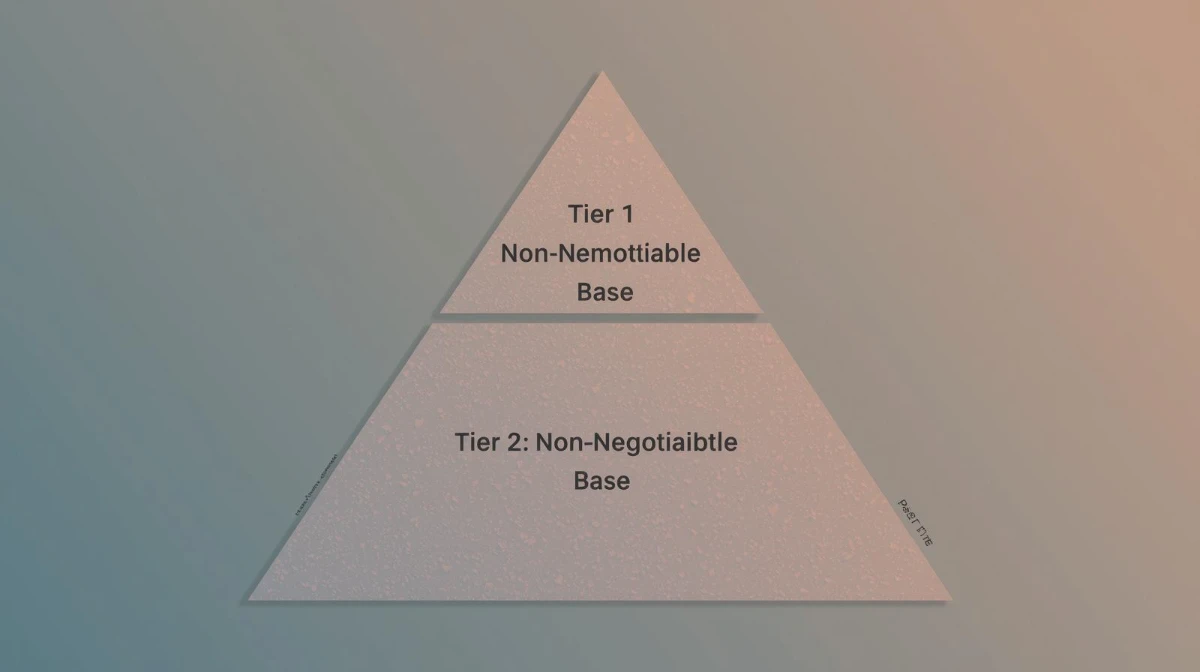
- Tier 1: The Non-Negotiable Base (Must-Haves): What is the absolute minimum you need to spend? (E.g., for a wedding, this might be the cost of the legal license, basic catering, and rings.) This is your floor.
- Tier 2: The Ideal Budget: The amount you are comfortable spending, based on your current income and savings timeline. This is the target you should aim for.
- Tier 3: The Luxury Limit (The Ceiling): The absolute maximum you would spend before deciding to postpone or cut the event. Never exceed this ceiling.
Action: Use Tier 2, the Ideal Budget, for all initial planning.
B. The Cost Audit: Identifying Cash-Flow Killers
Break down the event into its largest components and research realistic costs. For a home renovation, the biggest costs are labor and materials. For a baby, the biggest initial costs are medical fees and setting up the nursery.
- Rule of Thumb (The 10% Buffer): Always add a 10% contingency buffer to your Ideal Budget total. Major life events always involve unexpected costs (a vendor cancellation fee, a structural repair discovery, emergency baby items). Budgeting for the unexpected prevents last-minute debt.
II. Phase 2: Finding the Cash (The Aggressive Funding Strategy)
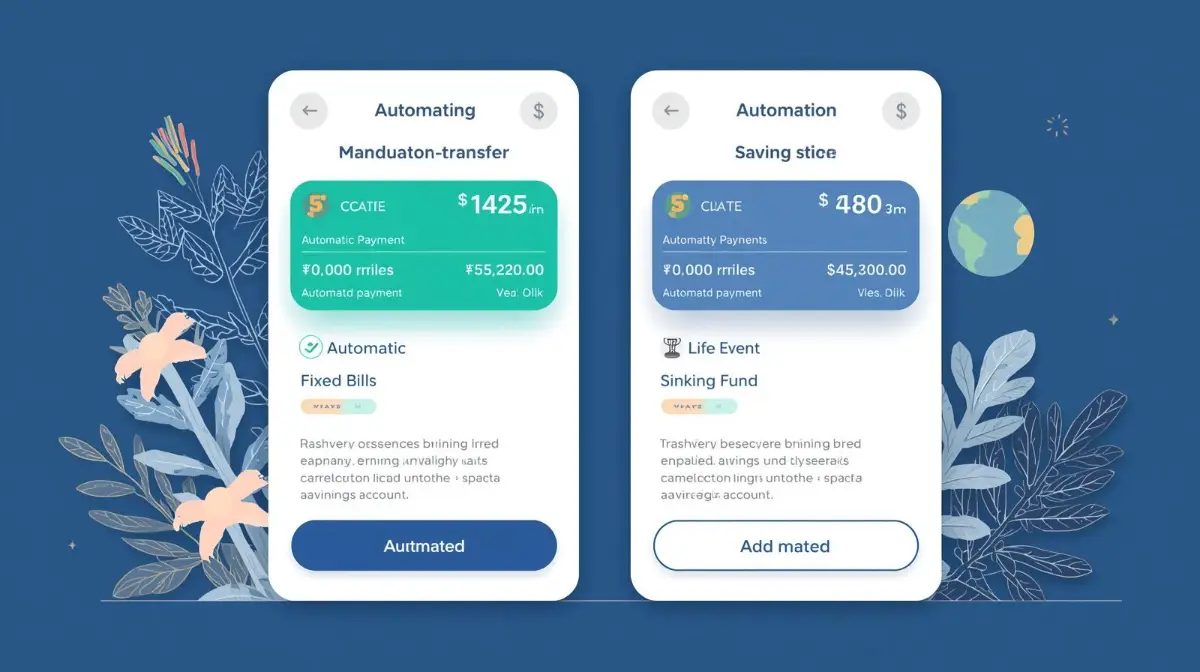
Once you have your target number and timeline, you need an aggressive, two-pronged strategy to find the cash without derailing your 50/30/20 budget.
C. Sinking Funds: Your Dedicated Goal Account
This goal must be managed in a dedicated Sinking Fund—a savings account specifically set aside for the event.
- The Calculation: Use the Sinking Fund Formula: Divide the total Ideal Budget (Tier 2 + 10% buffer) by the number of months until the event.
- Example: If your Ideal Budget is ₹5,00,000 and the event is 20 months away, you must save ₹25,000 per month. This becomes a fixed expense in your budget.
- Automation: Set up an automatic transfer for this amount from your checking account to your dedicated Sinking Fund account immediately after payday. Never rely on manual transfers for major goals.
D. The Lifestyle Audit: Creating Funding Space
If the required monthly saving amount (₹25,000 in the example) is too high for your current budget, you must reduce your Wants bucket.
- The Freeze: Temporarily freeze all non-essential spending. Cancel discretionary subscriptions, commit to cooking all meals at home, and postpone minor consumer purchases. Every rupee cut from the 30% “Wants” bucket is immediately diverted to the Sinking Fund.
- The Side Income Boost: Look for temporary side-gigs, sell unused items, or take on extra freelance work for the duration of the saving period. Use 100% of this extra, unexpected income to accelerate the Sinking Fund goal.
III. Phase 3: Protecting Long-Term Stability
Never fund a short-term joy by sacrificing long-term security. These guardrails protect your future.
E. The Non-Negotiable Priority Rule
When funding the event, you must not cut funds from these three critical areas:
- Retirement Contributions: Never pause or reduce your retirement savings (EPF/PPF/Mutual Funds) to fund a wedding or renovation. The lost compound interest is too high a price to pay.
- The Emergency Fund: Your Emergency Fund is for disaster (job loss, medical emergency), not for paying the caterer. Keep your 3–6 months of living expenses separate and untouched.
- High-Interest Debt Payments: Never use the money intended for paying off high-interest credit card debt to fund a baby nursery. Debt must be prioritized over discretionary spending.
F. Avoiding the High-Interest Trap
If your goal date arrives and you are still short of your Tier 2 Ideal Budget, you have two responsible options:
- Postpone the Event: Push the date back by a few months to fully fund the remainder.
- Cut the Tier 1 Costs: Review your non-negotiable list (Tier 1) and make immediate cuts to bring the budget down to the available cash (e.g., reduce the guest list, use cheaper materials).
Never take out high-interest credit card debt or an expensive personal loan to cover the shortfall. A one-day event or a six-month renovation is not worth five years of high-interest debt payments.
Conclusion
Life events should be celebrated, not feared. By replacing wishful thinking with a structured, three-phase approach, you ensure financial success. Start with a clear Non-Negotiable Reality Check, use a dedicated Sinking Fund for aggressive savings, and maintain strict Non-Negotiable Priorities to protect your retirement and emergency funds. Budgeting for your biggest goals is simply long-term budgeting done right.
❓ Frequently Asked Questions (FAQ)
Q1. Should I use my Emergency Fund to cover a sudden wedding cost?
A. No. A sudden, unexpected wedding cost (like a vendor demanding a final payment earlier than expected) is an emergency for the event, but not a true financial disaster. Using your Emergency Fund (which is meant for job loss or medical crisis) leaves you completely vulnerable. If you are short, the best move is always to cut costs or use a temporary 0% APR credit card that you can pay off quickly.
Q2. How much should I save for a Baby Fund?
A. New parents often overlook the hidden costs. Beyond the initial medical fees and nursery setup, experts recommend saving enough to cover at least six months of estimated increased expenses (diapers, formula, pediatrician visits) and any income loss one parent might take during parental leave. The target amount can easily range from ₹2,00,000 to ₹5,00,000 or more, depending on your lifestyle.
Q3. Is it okay to borrow from my 401(k) to fund a home renovation?
A. Financial experts strongly advise against this. While a EPF/PPF/Mutual Funds loan feels convenient and cheap, it halts the powerful effect of compounding growth on the borrowed amount. Furthermore, if you leave your job, you may be forced to repay the loan immediately or face massive penalties and tax liabilities. Preserve retirement savings at all costs.
Q4. How do I handle gifts or unexpected cash?
A. Unexpected cash (wedding gifts, bonus, etc.) should be immediately allocated based on your financial goals. First, use it to pay off any high-interest consumer debt. Second, if the event is already paid for, use the money to replenish your Emergency Fund or boost your retirement savings. Do not simply absorb it into your regular spending.







2 thoughts on “Life Event Budgeting: How to Fund Your Biggest Goals Without Going Broke”