

For couples in a committed relationship, sharing expenses often becomes a practical necessity long before marriage enters the conversation. Whether you’re splitting rent, managing travel funds, or saving for a shared future, pooling resources offers efficiency.
However, choosing a joint bank account for non-married partners introduces unique legal and logistical considerations that must be addressed upfront.
Unlike married couples, unmarried partners do not automatically receive the legal protections or financial recourse associated with marriage, making the initial account setup and agreement critical.
This comprehensive guide is designed to help non-married partners navigate the process of choosing and setting up a joint bank account. We will break down account ownership types, essential banking features, and the crucial legal agreements you must have in place to ensure financial security and relationship harmony.
I. Why Shared Finances Require a Dedicated Joint Account
Many couples start by simply transferring money to each other. While convenient, this approach creates chaos and risk.
A. The Pitfalls of “Transferring Money Only”
- No Financial Transparency: It becomes difficult to track who is paying which shared bills, leading to mistrust and arguments.
- Lack of Legal Rights: If one partner becomes incapacitated, the other may not have legal access to the funds needed to pay shared bills (like rent or utilities).
- Tracking and Budgeting Issues: Reconciling shared expenses for budgeting (e.g., using the 50/30/20 rule) becomes tedious and inaccurate.
B. Defining the Purpose of the Joint Account
Before opening the account, partners must agree on its function:
- Shared Expenses Only: Used exclusively for household bills, groceries, and common travel funds. (Recommended for beginners).
- All-In Account: Used for all income, expenses, and savings, mimicking a fully merged financial life. (Requires extremely high trust and legal clarity).
II. Phase 1: Understanding Joint Account Ownership Types
The type of ownership you choose dictates what happens to the money if the relationship ends or if one partner passes away. This is the most crucial decision for non-married couples.
A. Joint Tenancy with Right of Survivorship (JTWROS)
- The Feature: If one partner dies, the entire balance of the account automatically becomes the sole property of the surviving partner, bypassing the deceased’s will or estate (probate).
- Suitability for Unmarried Couples: Generally Recommended. This is often the default and simplest way to ensure that the survivor can immediately access funds to pay final expenses and shared liabilities without legal delay.
B. Tenancy in Common (TIC)
- The Feature: Each partner owns a specific, often equal, percentage of the account balance. If one partner dies, their share does not automatically go to the survivor; it goes into the deceased’s estate.
- Suitability for Unmarried Couples: Not Recommended for Shared Bills. This is better suited for specific investment accounts where partners want their respective families to inherit their share, but it defeats the purpose of seamless bill-paying upon death.
C. Power of Attorney (POA) Authorization
- The Feature: Instead of opening a joint account, one partner (the principal) can grant the other partner (the agent) the legal authority to transact on their individual account.
- Suitability for Unmarried Couples: Good Temporary Option. Useful for allowing bill payment access while one partner is traveling, but it does not grant actual ownership of the funds to the agent.
III. Phase 2: Essential Banking Features to Look For
Since the joint account is primarily for shared bills, prioritize convenience, access, and low fees.
D. Zero-Fee Structure and Low Minimums
- Priority: Opt for banks, especially online-only banks or local Credit Unions, that offer zero monthly maintenance fees and no minimum balance requirements. You don’t want a low balance fee eating into your joint rent money.
- Access: Ensure the bank offers multiple free ATM networks to avoid unnecessary withdrawal fees when getting cash for shared expenses (like groceries or household spending).
E. Robust Digital Tools and Alerts
Shared accounts demand synchronized management. The app must be excellent for both partners.
- Instant Mobile Alerts: Both partners must receive instant mobile notifications for every deposit and withdrawal. This creates immediate transparency and helps catch fraudulent transactions quickly.
- Shared Budgeting Tools: Look for banks that offer built-in expense categorization or seamless integration with third-party budgeting apps (like YNAB or EveryDollar) to track shared spending accurately.
- Easy Inter-Bank Transfers (ACH): Ensure the bank facilitates quick, free ACH transfers to easily move money from your individual accounts into the joint “hub.”
F. Clear Policies on Overdraft and Debit Cards
Since two people have access, the risk of accidental overdraft is higher.
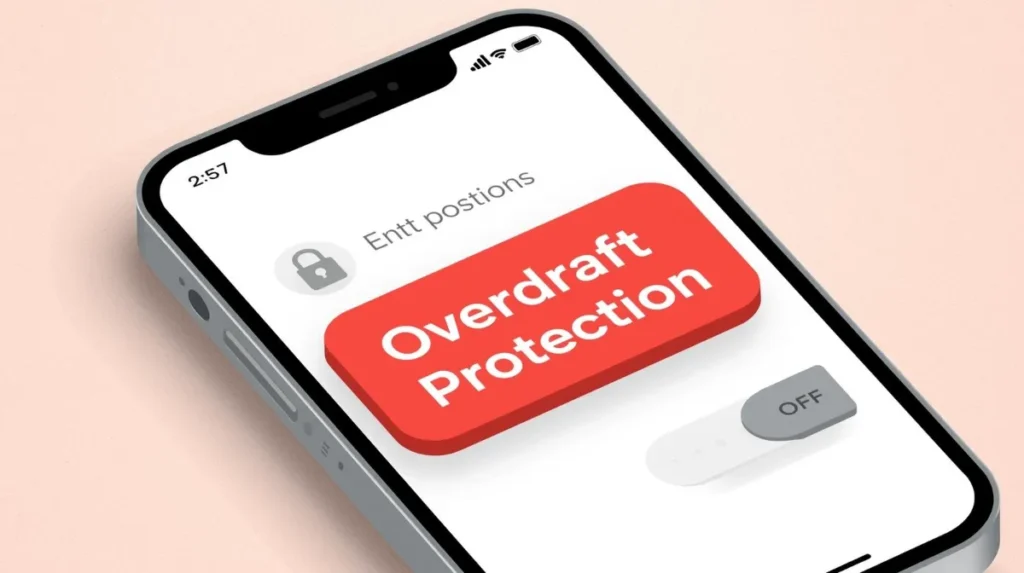
- Overdraft Opt-Out: Choose an account that allows you to opt-out of overdraft protection entirely. This prevents the bank from charging huge overdraft fees; instead, the transaction is simply declined if funds are insufficient.
- Separate Debit Cards: Both partners must have their own unique debit cards linked to the account, making it easier to track who spent what.
IV. Phase 3: The Critical Legal and Communication Plan
The financial agreement between unmarried partners should be treated as a legally binding contract, even if informal.
G. The “How-We-Split” Communication Plan
Define and document the contribution and payment schedule:
- Prorated Split: Contributions are based on income (e.g., Partner A makes 60% of combined income, so they contribute 60% of shared expenses).
- Equal Split: Both partners contribute 50% regardless of income.
- Contribution Date: Agree on a fixed date (e.g., the 1st of every month) for transferring money into the joint account.
H. The “Break-Up and Death” Protocol
While difficult, having a pre-determined written agreement on ending the shared account is vital.
- Dissolution Protocol: Agree on how the account will be closed if the relationship ends. Usually, this involves a fixed timeline (e.g., 30 days) to pay all outstanding bills, freeze new transactions, and split the remaining balance equally.
- Non-Account Access: Clearly state that the joint account is not responsible for the other partner’s individual debt unless both partners co-signed the debt.
- Succession Planning: Ensure the JTWROS ownership is correctly set up (as discussed in Section II. A.) to handle the immediate financial needs upon the death of a partner.
Conclusion
A joint bank account can be a powerful tool for building a shared future, but for non-married couples, it must be approached with clarity and structure. By choosing JTWROS ownership, prioritizing zero-fee online accounts, and establishing clear contribution protocols and dissolution plans, you can create a seamless and secure financial hub that supports your life together without creating unnecessary legal risk. This is the foundation of a healthy, lasting relationship built on financial honesty.
READ MORE – ACH vs. Wire Transfer: A Beginner’s Guide to When Speed and Cost Matter Most
❓ Frequently Asked Questions (FAQ)
Q1. Can unmarried partners open a joint bank account?
A. Yes, absolutely. Marital status is not a requirement for opening a joint bank account. All you typically need are two valid government-issued IDs (like passports or driver’s licenses) and proof of address.
Q2. Does opening a joint account affect my credit score?
A. No. Opening a joint bank account (checking or savings) does not directly impact your credit score. Only joint debt (like a co-signed credit card or mortgage) would affect both partners’ credit reports.
Q3. If I put all my money into the joint account, is it protected from my partner’s debt?
A. No, this is a major risk. If one partner has significant outstanding debt and a creditor obtains a court order, the funds in the joint account could potentially be garnished to satisfy the debt, regardless of who deposited the money. For this reason, it is crucial to keep most individual savings and investment funds separate and only use the joint account for essential shared expenses.







1 thought on “Setting Up Shared Finances: Choosing the Best Joint Bank Account for Non-Married Partners”