
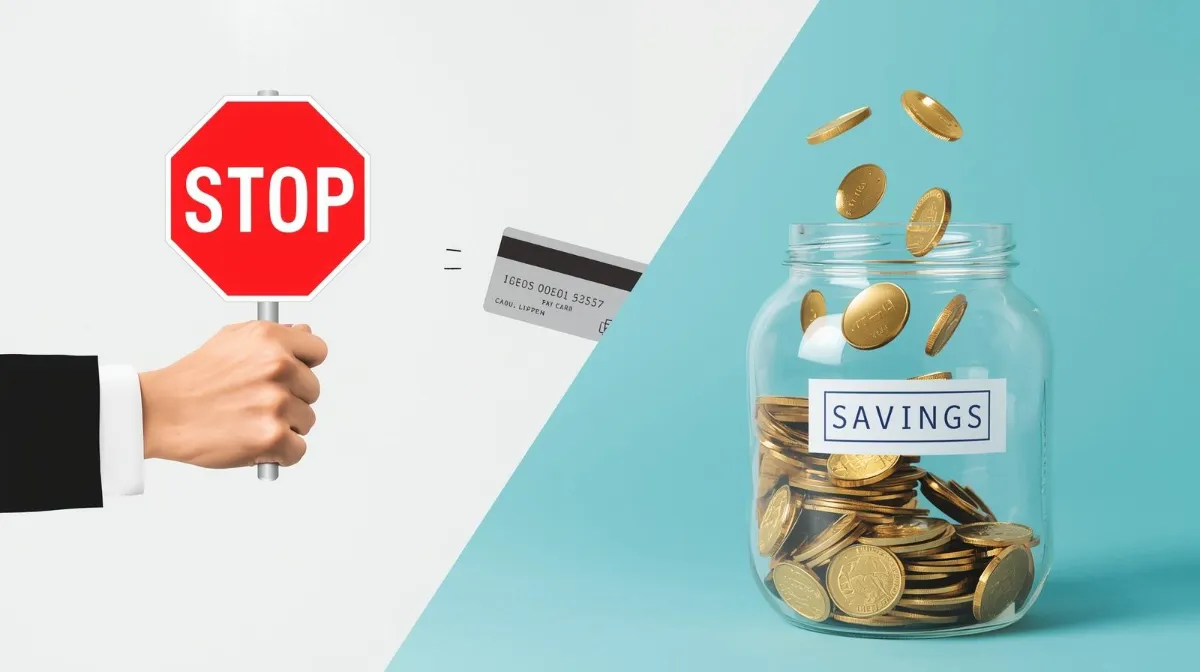
The Financial Detox You Didn’t Know You Needed
Let’s be real for a second. We’ve all been there. You look at your bank account at the end of the month and wonder, “Where did it all go?” It wasn’t one big purchase. It was the ₹300 coffees, the random Amazon packages showing up at your door, the takeout on Tuesday because you were “too tired to cook.”
These are called micro-leaks, and they are draining your wallet.
Sometimes, you can’t just budget your way out of a bad habit. You need a hard reset. You need a shock to the system. Enter: The No-Spend Month.
This isn’t about starving yourself or living in the dark. It’s a 30-day financial detox designed to break your addiction to convenience spending. By the end of this guide, you’ll have the rules, the survival strategy, and the mindset shift needed to save a surprising amount of cash in just 30 days.
I. The Rules of Engagement: What Does “No-Spend” Actually Mean?
First, take a deep breath. A “No-Spend Month” doesn’t mean you stop paying your bills. That would ruin your credit score, and we are here to build wealth, not destroy it.
The Simple Definition
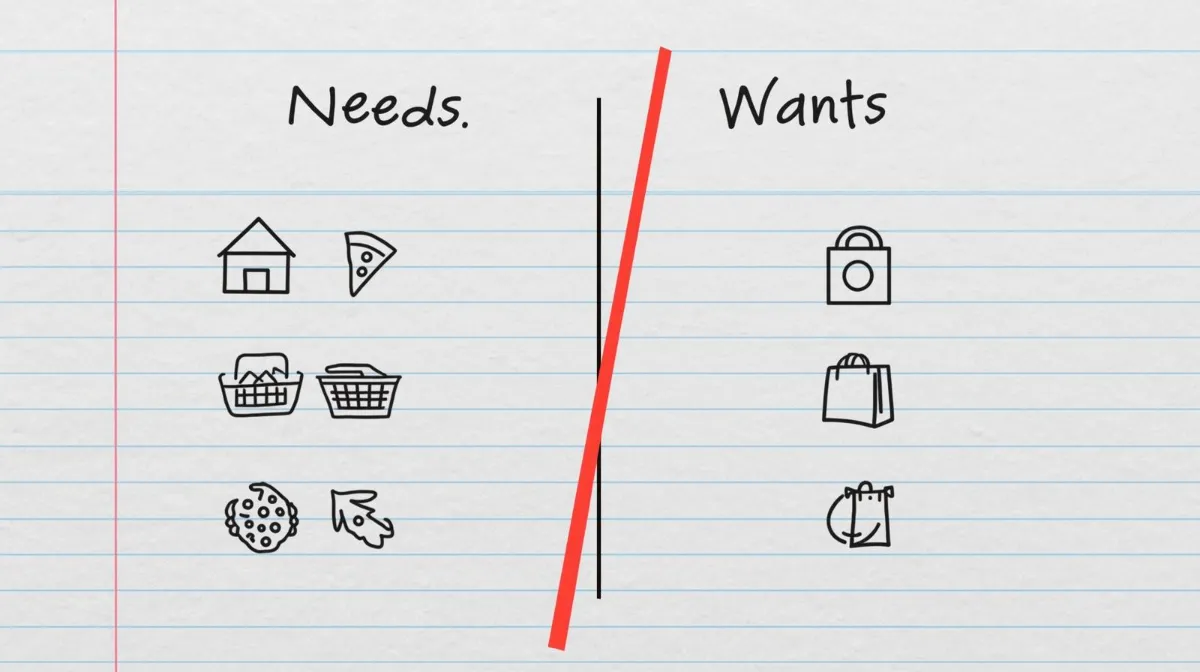
For 30 days, you pay for your Needs, and you spend exactly zero on your Wants.
- Allowed (The Needs): Rent/Mortgage, Utilities, Basic Groceries (cooking at home), Medicines, Transport to work, Loan payments.
- Banned (The Wants): Dining out, Food delivery apps, Clothing, Home decor, Gadgets, Cinema tickets, Alcohol/Cigarettes, Subscription services (that aren’t essential).
The Golden Rule: If it’s not essential for your survival or your job, you don’t buy it. If you run out of shampoo? Buy it. If you run out of “patience” and want a pizza? You cook an egg.
II. Phase 1: Preparation (How to Win Before You Start)
Most people fail this challenge on Day 4 because they didn’t prep. You need to remove the temptation before it hits you.
A. The Digital Purge
Your phone is your wallet’s worst enemy.
- Delete the Apps: Uninstall Swiggy, Zomato, Amazon, and Myntra for 30 days. If the app isn’t there, the impulse buy is 10x harder.
- Unsubscribe: Go to your email and unsubscribe from those “Flash Sale” newsletters. You can’t spend money on a sale you don’t know about.
B. The Pantry Audit
Check your kitchen. You probably have half-eaten pasta packets, frozen veggies, and cans of soup hiding in the back.
- The Goal: Challenge yourself to “eat down the pantry.” Use what you already have before buying more groceries. This slashes your grocery bill significantly.
III. Phase 2: Surviving the Month (The Psychological Timeline)
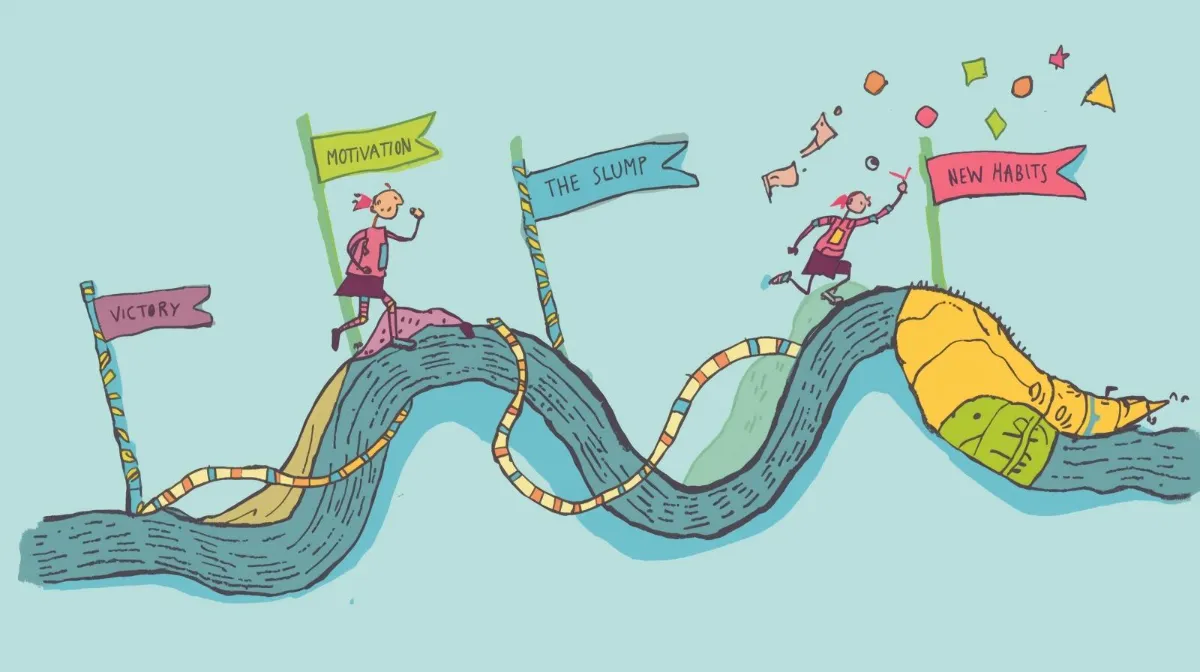
Knowing what to expect will help you push through the hard days.
Week 1: The Honeymoon Phase
You feel motivated! You are meal-prepping like a pro, drinking your homemade coffee, and feeling financially superior. You check your bank balance, and it looks surprisingly healthy.
Week 2: The “Slump” (The Danger Zone)
This is where it gets hard. You are tired. Your friends invite you out for drinks. You had a bad day at work and just want to order a burger.
- The Expert Tip: Plan for this. Have a “comfort meal” already in your freezer. If friends invite you out, suggest a free activity (like a walk or game night at home) or be honest: “I’m doing a financial challenge this month, can we do something free?” True friends will support you.
Week 3: The Habit Shift
Something magic happens here. You stop reaching for your phone to browse shopping apps. You realize you actually enjoy cooking. The urge to spend fades because you’ve broken the dopamine loop of “Buy = Happy.”
Week 4: The Sprint to the Finish
You can see the finish line. You start calculating how much money you’ve saved, and the number shocks you. You feel in control.
IV. Phase 3: What to Do with the “Found Money”
On Day 31, you will likely have a surplus of cash in your account—money that usually vanishes. Don’t just leave it there to be spent next month!
Give that money a job immediately:
- Kill a Debt: Make a lump-sum payment on your credit card.
- Boost the Buffer: Transfer it straight to your Emergency Fund.
- Start a Sinking Fund: Jumpstart that “Wedding” or “Vacation” fund we talked about.
Conclusion: It’s Not About the Money
The “No-Spend Month” will boost your bank account, yes. But the real prize is the mental clarity. You will realize that you don’t need daily takeout to be happy. You don’t need new clothes every weekend to feel confident.
You are proving to yourself that you are the master of your money, not the other way around. So, pick a start date (the 1st of the month is best), tell a friend to keep you accountable, and get ready to reset your financial life.
READ MORE – Life Event Budgeting: How to Fund Your Biggest Goals Without Going Broke
❓ Frequently Asked Questions (FAQ)
Q1. Can I do a u0022No-Spend Monthu0022 if I have kids?
u003cstrongu003eA.u003c/strongu003e Absolutely! In fact, it’s a great lesson for them. Instead of paid entertainment (movies, arcades), look for free adventures—parks, hiking, library events, or family board game nights. It teaches kids that fun doesn’t require swiping a card.
Q2. What if an emergency happens during the month?
u003cstrongu003eA.u003c/strongu003e Real emergencies (medical issues, car breakdowns) are u003cstrongu003eNeedsu003c/strongu003e, not Wants. If your car breaks down, fix it. The challenge is about cutting u003cemu003ediscretionaryu003c/emu003e spending, not ignoring safety or health. Don’t guilt yourself for handling a crisis.
Q3. Can I use gift cards during a no-spend month?
u003cstrongu003eA.u003c/strongu003e This is a gray area, but I recommend u003cstrongu003eNou003c/strongu003e. The point of the challenge is to break the u003cemu003ehabitu003c/emu003e of shopping and consuming. Using a gift card keeps you in the shopping mindset. Save the gift card for the next month as a reward!
Q4. Is it better to do a No-Spend Week first?
u003cstrongu003eA.u003c/strongu003e If a full month feels too scary, yes! Start with a u0022No-Spend Week.u0022 It’s a great way to test the waters. Once you see how much you save in 7 days, you’ll be itching to try the full 30 days.







1 thought on “The “No-Spend Month” Challenge: How to Reset Your Financial Habits and Save Fast”